
Good oral health is not limited to white teeth and the absence of cavities. It is a fundamental component of overall well-being, with proven effects on digestion, self-confidence, and even cardiovascular health.
In this regard, dental prevention forms the cornerstone of effective hygiene against most common problems when combined with appropriate daily habits.
The scientific foundations of dental prevention
Prevention in the field of oral health is based on an understanding of the mechanisms behind dental diseases. Dental plaque, the bacterial biofilm that naturally forms, is the main enemy. Its accumulation leads to the production of acids that attack the enamel and initiate cavities.
It also irritates the gums and triggers various inflammatory conditions. Effective dental prevention therefore combats plaque through both mechanical and chemical means. Brushing promotes its physical removal, while fluoride strengthens the enamel’s resistance to acid attacks. This dual action lies at the heart of prevention programs for good oral health.
Daily oral hygiene: a routine to refine
The quality of daily habits determines your dental health. Proper brushing technique provides more benefits than frequency or duration alone.
Brushing technique for optimal dental health
Tooth brushing should follow a systematic order to avoid neglecting any tooth surface. Using a soft-bristled toothbrush, positioned at a 45-degree angle at the junction between the tooth and the gum, promotes effective cleaning without damage. Rotational or rolling movements, from the gum toward the tooth, remove plaque and massage the gingival tissues.
The recommended duration of 2 minutes, or 30 seconds per oral quadrant, helps reach all surfaces. A timer or an electric toothbrush with a built-in timer is a valuable aid in maintaining a complete oral hygiene routine.
The essential complement of interdental cleaning
Brushing removes only about 60% of dental plaque. Daily habits must therefore include cleaning the spaces between the teeth, where plaque responsible for gum disease accumulates. Dental floss (for tight spaces) or interdental brushes (for wider gaps) effectively complement brushing.
This interdental cleaning, ideally performed once a day before evening brushing, is one of the most important habits—yet also one of the most frequently neglected in dental prevention. Regular adoption significantly improves oral health in the medium term.
Common mistakes that compromise dental health
Certain seemingly harmless habits can damage your oral health. Identifying and correcting them is an integral part of informed prevention.
Overly aggressive brushing and its consequences
Brushing with a hard-bristled toothbrush, combined with excessive pressure and vigorous horizontal movements, is a very common mistake. It causes premature enamel wear at the gum line, tooth sensitivity to heat and cold, and gum irritation.
Choosing a soft toothbrush and learning a gentle technique are simple but crucial corrections.
Neglecting to replace the toothbrush
Using a frayed toothbrush or one older than 3 months is another frequent error. Damaged bristles lose their effectiveness in removing plaque and may even injure the gums. Quarterly replacement, or immediate replacement after an infection, is a basic rule of oral hygiene.
Diet: an often-overlooked pillar of dental prevention
Dental prevention also starts on the plate. The frequency and nature of food intake directly affect oral balance.
Cariogenic and acidifying foods
Fast sugars (sweets, sodas, industrial juices) and acidic foods (citrus fruits, vinegar, diet sodas) are the main dietary threats to dental health. Plaque bacteria convert them into acids that demineralize enamel.
Prevention strategies focus less on complete avoidance than on limiting consumption frequency. It is preferable to consume them during main meals rather than as snacks.
Allies of good oral health
Certain foods actively support oral health. Products rich in calcium (dairy products, mineral water), phosphorus, and vitamin D strengthen tooth structure. Crunchy fruits and vegetables (apples, raw carrots) are also beneficial.
They stimulate saliva production and provide a mild mechanical cleaning effect. Cheese, consumed at the end of a meal, helps neutralize oral acidity.
The role of fluoride in prevention strategy
Fluoride remains the most studied and most effective anti-cavity preventive agent. Its topical action on enamel is emphasized in oral health recommendations.
Proper use of fluoride toothpaste
Choosing a toothpaste containing 1000 to 1500 ppm of fluoride is suitable for most adults. For children, the concentration must be age-appropriate (around 500 ppm before age 6) to benefit from protection without risking fluorosis (enamel discoloration).
Minimal rinsing after brushing—simply spitting out excess foam—allows residual fluoride to act longer on enamel.
Additional fluoride intake
For individuals at high risk of cavities, a dentist may prescribe fluoride supplements (gels or high-concentration mouthwashes) for weekly use. This decision must be based on an individual assessment and should never be self-prescribed. Excess fluoride can be just as harmful as deficiency.
Professional screening: regular clinical examination
No personal prevention can replace the expertise of a dentist. An annual check-up, or twice yearly in specific cases, is essential for maintaining oral health.
Clinical examination and scaling
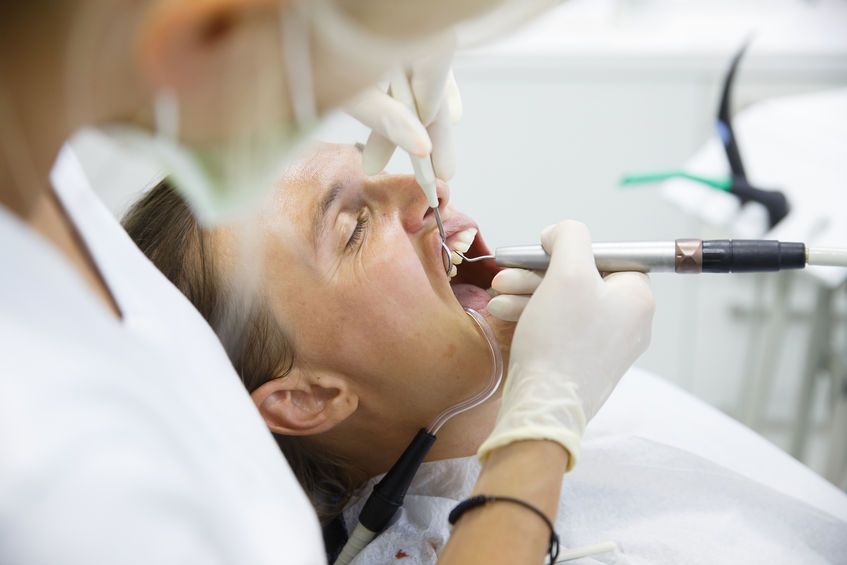
During this visit, the practitioner performs a complete examination of the mouth, teeth, and gums, looking for early cavities, gingival inflammation, or mucosal lesions. Scaling remains the preventive procedure par excellence, restoring a healthy environment for the gums and facilitating plaque control through daily care.
Screening dental radiography
Periapical or panoramic X-rays help visualize what the naked eye cannot see, such as interdental cavities, bone loss, or impacted wisdom teeth. This advanced preventive tool is essential for early intervention and long-term dental health.
Periodontal diseases and their prevention
Oral health also includes the supporting tissues (gums, alveolar bone, ligaments). Periodontal diseases—gingivitis and periodontitis—are the leading cause of tooth loss in adults.
Gingivitis: a reversible inflammation
Gingivitis is caused by plaque accumulation and serves as a warning sign that daily oral hygiene habits are insufficient. Improved brushing and interdental cleaning, combined with scaling, usually allow full regression. Preventing its progression to periodontitis is crucial.
Periodontitis: a more severe condition
If gingivitis is left untreated, inflammation may reach deeper tissues and destroy the bone supporting the teeth—this is periodontitis. Prevention relies on meticulous oral hygiene, but treatment requires specialized procedures (deep scaling, root planing). Smoking is a major risk factor that must be avoided.
Links between oral health and general health
The oral cavity is not an isolated system. Poor oral health can have systemic effects, and certain general diseases manifest in the mouth.
Diabetes and periodontal disease
A bidirectional relationship exists between poorly controlled diabetes and severe periodontitis. Diabetes worsens periodontal inflammation, while periodontitis complicates glycemic control. Rigorous oral hygiene and regular dental follow-up are therefore integral to diabetes management.
Cardiovascular risks
Bacteria and inflammatory mediators from a mouth affected by periodontitis can enter the bloodstream. Numerous studies show an association between severe periodontal disease and increased cardiovascular risk. Preventing and treating periodontal disease helps reduce these systemic risks.
New technologies serving dental prevention
Innovation now provides tools that enhance the effectiveness of daily habits and prevention.
Electric toothbrushes and connected applications
Electric toothbrushes with oscillating-rotating or sonic motion have proven more effective at removing plaque than manual brushes. When paired with smartphone applications that provide feedback on brushing duration and coverage, they significantly optimize oral hygiene.
Plaque-disclosing agents
These products (chewable tablets or liquids) temporarily color residual plaque after brushing. They are exceptional educational tools for visualizing neglected areas and improving technique.
Occasional use (once a week, for example) is an excellent way to enhance brushing effectiveness and strengthen personal dental prevention.