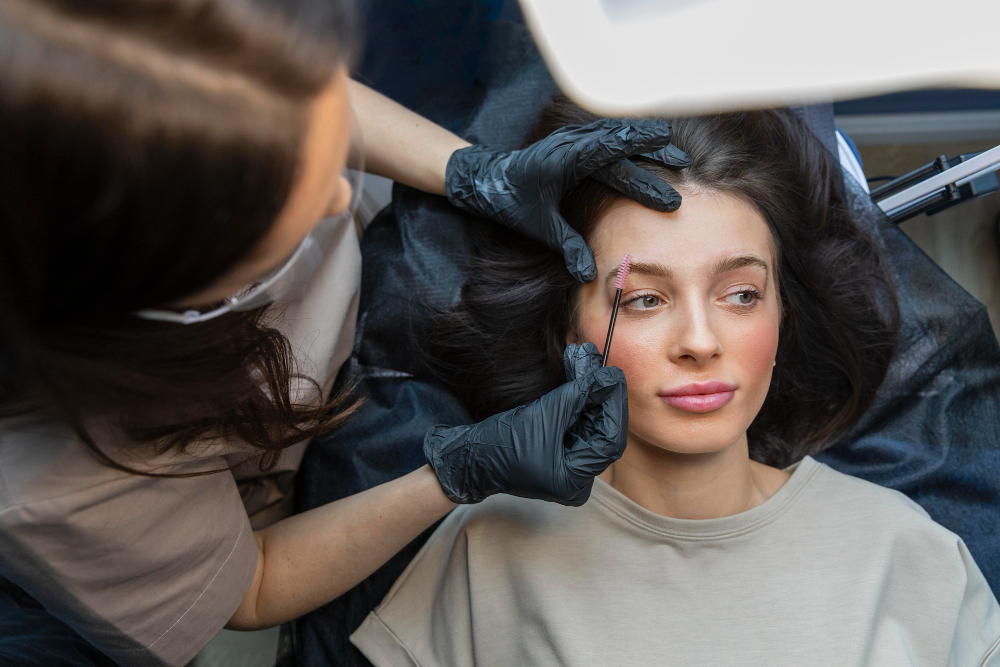

Eyebrows have a unique quality that can often surprise many. Their absence from the face is noticed almost immediately. Furthermore, facial expressions change significantly depending on the positioning of the eyebrows. They can appear harsher or more jovial depending on the case. Eyebrow transplant: techniques used (FUE) is one of the possible methods to restore these facial features. Others include micrografting and PRP. Here are their different specifications.
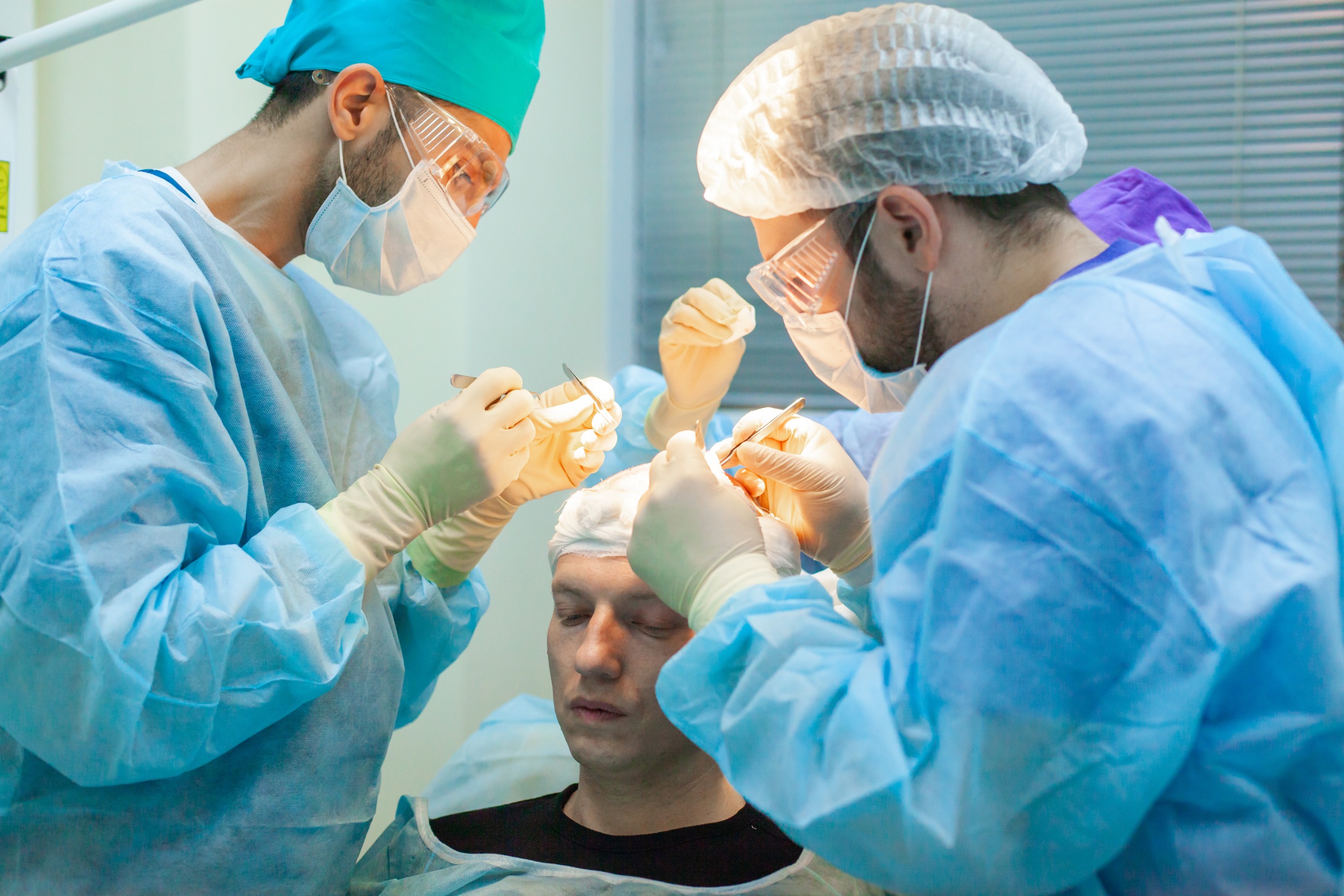
The FUE technique: the foundation of eyebrow transplants Eyebrow transplant: techniques used (FUE) involves uprooting various follicular units one after the other. The extraction site is generally located at the back of the scalp. Re-implantation is carried out one hair at a time at the eyebrow level. The popularity of FUE has grown over the last decade for several reasons. It is a technique that leaves no noticeable scarring. Moreover, it offers great precision during the procedure.
The result does not look artificial, as the hairs used come from the scalp. This allows for permanent eyebrows with reduced recovery time. The advantage of eyebrow transplant: techniques used (FUE) is the bespoke option. The implantation adapts to the natural orientation of the eyebrow to create a perceptible harmony on the face.
Micrografting: the more precise alternative It is most often likened to FUE for various reasons. The difference lies in the nature of the equipment used, which has an infinitely small diameter. The implantation of follicles mainly concerns those containing a single hair. This methodology is important for eyebrows that need to be fine. The success of micrografting is explained by several related advantages:
-
The discretion and elegance of the result;
-
Perfect control of the shape;
-
Gradual and natural density. Micrografting is highly recommended for people wishing to reshape the appearance of their eyebrows without causing an aesthetic overload.
The mix of micrografting and FUE: a real complementarity In practice, eyebrow transplant: techniques used (FUE) and micrografting are sometimes combined. FUE facilitates extraction at a precise location without fuss. With micrografting, hair implantation is carried out with remarkable accuracy. This association has yielded excellent results in eyebrow restructuring, far superior to what was previously achieved with older methods.
PRP: an accelerator for eyebrow transplants PRP (Platelet-Rich Plasma) should not be considered a method used to transplant eyebrows. Rather, it is a complementary treatment. The patient’s blood is first collected and placed in a centrifuge. PRP is obtained from this to separate growth factors. The injection is then made into the grafted area to optimize healing. The grafts are then given a better chance of survival.
The value of PRP in an eyebrow transplant The treatment facilitates the regrowth of grafted eyebrows and significantly reduces the risk of inflammation. Recovery is greatly enhanced under these conditions. Furthermore, the quality of the hair is perfectly optimized. PRP acts as a highly effective biological stimulant in this context.
When to use PRP? During advanced protocols, it is possible to use PRP at various stages:
-
At the start of the transplant, to prepare the ground;
-
During the procedure, to provide the required hydration to the grafts;
-
After the transplant, to facilitate eyebrow regrowth. PRP pairs easily with eyebrow transplant: techniques used (FUE) and micrografting. This combination multiplies the benefits of each technique to get the best out of them.
Complementary methods used Eyebrow transplant: techniques used (FUE), micrografting, and PRP are the main options used to restore eyebrows. They are not the only ones, as other approaches allow for adjustments. This is the case when scars are present on the face. It may also be necessary to correct previous transplants. After significant trauma, an eyebrow transplant is sometimes necessary. The foundation remains the eyebrow transplant: techniques used (FUE). The use of other complementary methods will be considered depending on the case.
Targets for these implantation methods As you have understood, the situations in which these techniques are used vary enormously. You might consider them in cases of targeted alopecia, burns, or sparse eyebrows. Excessive plucking sometimes leads to eyebrow loss, as do burns. Regardless, combining the different techniques presented is the best way to achieve good results.
Results and progression of the transplant It is also worth looking at the situation following an eyebrow transplant: techniques used (FUE). This method often leads to the shedding of implanted hairs after a few days. Do not panic, as this is a normal phase. You must wait between 3 and 4 months to see definitive regrowth. Micrografting and PRP contribute to the stabilization of gradual density for a long-lasting effect.
What is the benefit of a professional intervention? In terms of eyebrow transplants, success does not rely solely on the technologies used. While it is true that tools and protocols are improving, the quality of an eyebrow transplant: techniques used (FUE) depends mainly on the expert performing it. It is not comparable to other cosmetic surgery procedures that have standard protocols. here, the practitioner’s profile plays a significant role in the final result.
Inappropriate positioning, implantation at the wrong angle, or poorly calculated density can have serious consequences. The effect will not be natural as the patient hoped. This is also why the specialist must master micrografting. Implanting the follicle does not mean putting it anywhere under the epidermis. The following points regarding the hair must be taken into account:
-
Its natural orientation;
-
Its curvature;
-
The angle. An eyebrow transplant: techniques used (FUE) often involves variations of these aspects by a few millimeters. Relying on a professional allows you to benefit from their experience in the matter according to the area to be treated. Their knowledge also allows them to take into account the unique characteristics of each face. This surgical accuracy distinguishes a natural eyebrow from a transplanted one.
The practitioner’s skills can also be judged by the reasoned use of PRP. Poor calibration greatly diminishes its benefits. This is why its integration must be done correctly in an eyebrow transplant: techniques used (FUE). It then turns into biological support for the success of grafts coming from micrografting. The quality of regrowth benefits from perfect improvement. In this case, the protocol takes into account the specificities of the experience provided in the clinic for each patient, relating to the nature of the epidermis, its sensitivity, etc.
Getting an eyebrow transplant is now a clever mix of science, aesthetics, and accuracy. Eyebrow transplant: techniques used (FUE) is the preferred option in many parts of the world. Its effects can be enhanced by PRP and micrografting according to various needs. Their proper combination allows for a discreet, permanent result in harmony with the face. These transplanted eyebrows embellish the face without giving the impression of being out of place. All the aesthetic luxury based on PRP or micrografting is fully appreciated at that moment.