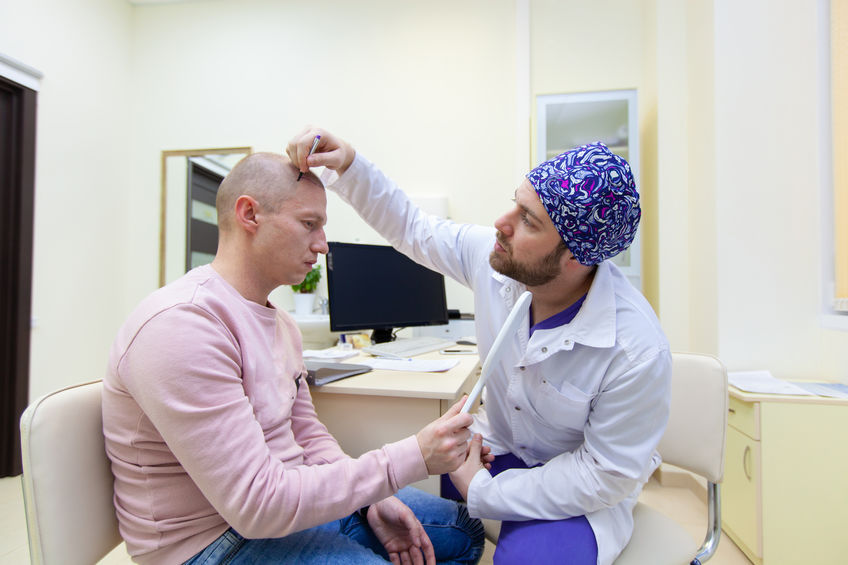

A personalized hair diagnosis is now recognized as the essential foundation of any successful hair transplant. Before even discussing technique, cost, or results, it is crucial to fully understand the patient’s hair condition. In a context where hair loss affects a large proportion of men and an increasing number of women, adopting an individualized approach is essential. Every scalp, every density level, and every type of baldness is different. This is why a precise and comprehensive hair diagnosis allows for the development of a tailored strategy, helps avoid mistakes, and optimizes long-term results. This step is not just a detail, but the very foundation of any serious approach in hair restoration surgery.
Understanding the Importance of Diagnosis Before a Hair Transplant
Before considering a hair transplant, it is important to understand that this procedure cannot be standardized. A personalized hair diagnosis allows for an in-depth analysis of the patient’s situation and prevents inaccurate decisions. Without this analysis, it is impossible to determine the number of grafts required, the area to be treated, or even the feasibility of the procedure. Many people undergo a transplant without prior evaluation and end up with disappointing results. On the other hand, a well-conducted diagnosis makes it possible to anticipate the progression of baldness, adjust the implanted density, and ensure a natural result. It is therefore a true strategic planning tool.
Elements Analyzed During a Hair Diagnosis
A complete hair diagnosis goes far beyond a simple visual assessment. It includes a detailed analysis of several essential factors. The specialist first examines hair density, meaning the number of hairs per square centimeter. They also evaluate hair quality, strength, and thickness. The condition of the scalp is also considered, including issues such as irritation or dandruff. The history of hair loss is another key factor, as it helps understand the progression of the problem. Finally, the analysis of the donor area is crucial to determine the number of follicles available for transplantation.
Identifying the Causes of Hair Loss
One of the main goals of a personalized hair diagnosis is to accurately identify the causes of hair loss. Androgenetic alopecia is the most common cause, linked to hormonal and genetic factors. However, other causes may be responsible for hair loss, such as stress, nutritional deficiencies, hormonal imbalances, or certain medical conditions. In some cases, hair loss may be temporary and does not require a transplant. The diagnosis therefore helps avoid unnecessary procedures and allows for appropriate solutions, such as medical treatments or specific hair care therapies.
Technologies Used for an Accurate Diagnosis
Technological advancements have significantly improved the quality of hair diagnosis. Today, clinics use tools such as a hair microcamera, which allows for a detailed examination of the scalp. Specialized software can analyze density and simulate transplant results. Some clinics even use artificial intelligence to refine their assessments. These technologies provide reliable data and improve diagnostic accuracy. They also play an important role in communication with the patient by offering a clear visualization of their condition and expected outcomes.
The Crucial Role of the Donor Area
The donor area is a central element in any hair transplant. This is the area from which follicles are extracted, usually located at the back and sides of the head. A personalized hair diagnosis allows the specialist to assess the density and quality of this area. An insufficient donor area can limit the number of available grafts and therefore the final result. Conversely, a strong donor area allows for a denser and more natural transplant. Analyzing this area is essential to define an effective and long-lasting strategy.
Choosing the Right Transplant Technique Through Diagnosis
The hair diagnosis also helps determine the most suitable transplant technique. The two main methods are FUE (Follicular Unit Extraction) and DHI (Direct Hair Implantation). FUE is a traditional technique that involves extracting follicles one by one, while DHI allows for direct implantation with greater precision. The choice between these techniques depends on several factors: donor area density, the size of the area to be covered, hair type, and patient expectations. A precise diagnosis ensures the best possible decision.
The Impact of Diagnosis on Transplant Results
A personalized hair diagnosis has a direct impact on the success of the transplant. It helps achieve a natural, uniform, and long-lasting result. By defining a tailored strategy, the specialist can optimize graft distribution and avoid patchy areas. The diagnosis also allows for anticipating the future progression of baldness, which is essential for maintaining a harmonious result over time. Without this step, the risk of failure or unnatural results is significantly higher.
Practical Advice Before Getting a Hair Diagnosis
To benefit from a high-quality hair diagnosis, it is important to choose a reputable and experienced clinic. It is recommended to prepare relevant information such as your hair history and any treatments you have undergone. Avoid quick solutions or unrealistic promises. Take the time to ask questions and understand the specialist’s recommendations. A good diagnosis is based on transparent communication and thorough analysis. It is also advisable to compare several opinions before making a final decision.
Mistakes to Absolutely Avoid
Certain mistakes can compromise the success of your hair restoration project. The first is ignoring the importance of a personalized hair diagnosis. Many patients focus only on price or technique without analyzing their condition. Another mistake is choosing a clinic without verifying the quality of the diagnosis provided. It is also risky to rely on quick or automated assessments without human expertise. Finally, it is important not to overlook the future progression of baldness, which must be considered in the overall strategy.
A personalized hair diagnosis is much more than a preliminary step: it is the key to a successful hair transplant. It allows for understanding the situation, choosing the right technique, and optimizing results. In a field as demanding as hair restoration surgery, every detail matters. By investing in a high-quality diagnosis, you maximize your chances of achieving natural, long-lasting, and satisfying results. This step is essential to turn your project into a success.
FAQ about Personalized Hair Diagnosis
Why is a hair diagnosis necessary before a transplant?
A personalized hair diagnosis helps determine feasibility and optimize results.
Can you have a transplant without a diagnosis?
No, this significantly increases the risk of failure or unnatural results.
How long does a hair diagnosis take?
It usually takes between 30 minutes and 1 hour depending on the complexity of the case.
Is a hair diagnosis free?
Some clinics offer it for free, while others may charge for it.
What is the best transplant technique after diagnosis?
It depends on the patient’s profile, but FUE and DHI are the most commonly used.
Can a diagnosis predict results?
Yes, it helps estimate density and the final appearance of the transplant.
